
Mobile Phones vs Production Equipment: The Future of Video Production in Singapore
Video production in Singapore is evolving rapidly. The rise of mobile phone cameras with advanced features challenges traditional production equipment and crews. This shift raises questions about quality, cost, and creativity in video projects. Understanding the strengths and limitations of both mobile phones and professional setups helps creators and businesses make informed choices.
The Rise of Mobile Phone Video Production
Mobile phones have transformed how videos are made. Today’s smartphones come with high-resolution cameras, image stabilization, and editing apps that fit in your pocket. This accessibility allows anyone to shoot and share videos instantly.
Advantages of Mobile Phones
Portability: Smartphones are lightweight and easy to carry anywhere, making them ideal for spontaneous shoots or travel videos.
Cost-effective: No need to rent or buy expensive gear. Most people already own a capable phone.
User-friendly: Intuitive interfaces and apps simplify filming and editing.
Fast turnaround: Videos can be recorded, edited, and uploaded within minutes.
In Singapore’s fast-paced environment, mobile phones enable quick content creation for social media, events, and small projects. For example, local influencers often rely on phones to capture daily moments and engage followers without a production crew.
The Strength of Professional Production Equipment and Crew
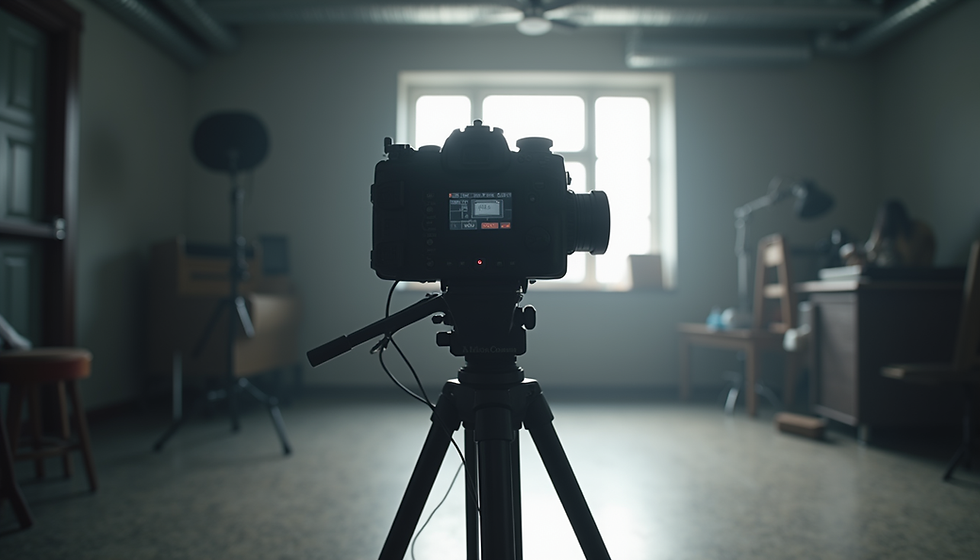
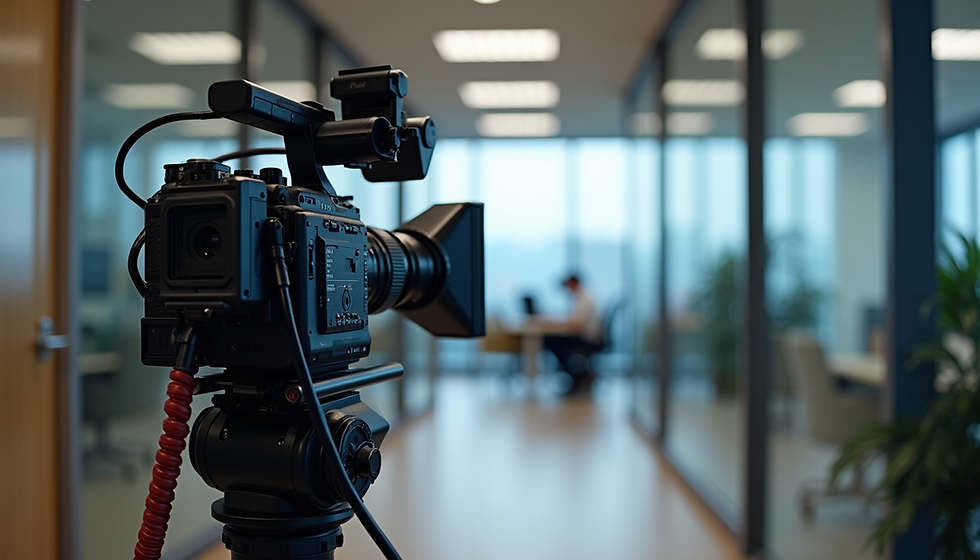
Despite mobile phones’ convenience, professional video production equipment and crews remain essential for many projects. Cameras like DSLRs, mirrorless models, and cinema cameras offer superior image quality and control.
Benefits of Professional Equipment
Image quality: Larger sensors and better lenses capture sharper, more detailed footage with richer colors.
Lighting control: Professional lighting setups create mood and depth that phones struggle to replicate.
Audio quality: External microphones and sound mixers ensure clear, noise-free audio.
Creative flexibility: Skilled crews use equipment like gimbals, drones, and sliders to achieve dynamic shots.
In Singapore, corporate videos, commercials, and films often require this level of quality and polish. For instance, a tourism video showcasing Singapore’s landmarks benefits from professional lighting and aerial drone shots that a phone cannot match.
When to Choose Mobile Phones
Mobile phones work well for:
Social media content: Quick, authentic videos for Instagram, TikTok, or YouTube.
Event coverage: Capturing moments at weddings, parties, or community events.
Low-budget projects: Startups or individuals with limited funds.
Test shoots: Planning scenes before a full production.
Using a phone also encourages creativity through experimentation without worrying about equipment costs. Apps like Filmic Pro add manual controls, bridging the gap between phones and professional cameras.
When to Invest in Production Equipment and Crew
Professional setups are better suited for:
Brand videos: Companies need polished visuals to build trust and credibility.
Narrative films: Storytelling requires precise lighting, sound, and camera work.
Commercials: High production values influence consumer perception.
Documentaries: Complex shoots with interviews and varied locations.
Hiring a crew brings expertise in directing, cinematography, and post-production. This teamwork elevates the final product beyond what a single person with a phone can achieve.
The Hybrid Approach: Combining Both Worlds
Many Singaporean creators blend mobile phones with professional gear to balance cost and quality. For example:
Use a smartphone for behind-the-scenes footage or social media teasers.
Shoot main scenes with cinema cameras.
Edit all footage together for a cohesive final video.
This approach maximizes resources and adapts to different project needs.
Challenges and Considerations
Choosing between mobile phones and production equipment involves trade-offs:
Quality vs convenience: Phones offer speed but may lack cinematic quality.
Budget constraints: Professional crews cost more but deliver higher standards.
Skill level: Phones are easier for beginners; equipment requires trained operators.
Project goals: Define the purpose and audience to guide equipment choices.
In Singapore’s competitive market, understanding these factors helps creators deliver videos that meet expectations without overspending.
Looking Ahead: The Future of Video Production in Singapore
Technology continues to blur the lines between mobile and professional video production. Phones will keep improving with features like computational photography and AI enhancements. Meanwhile, production equipment will evolve with lighter, smarter tools.
Singapore’s video industry will likely see more hybrid productions and innovative uses of mobile technology. Creators who adapt to these changes can produce compelling content that fits their budget and vision.
If you are planning a video project in Singapore, consider your goals, budget, and audience carefully. Whether you choose a mobile phone or a full production crew, the right choice will help your story stand out.

Comments